
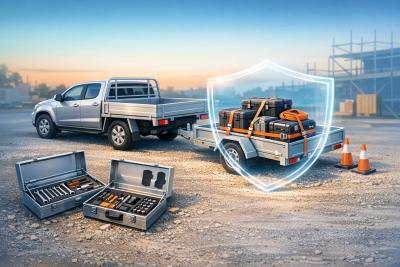
The business lodged its claim on 18 December 2025. QBE paid $14,000 for the stolen items in January 2026 and a further $9,446 for business interruption, assessed with the help of forensic accountants. The policyholder argued the loss was much higher, saying the stolen contents were worth about $120,000 and the trailer another $28,000. It also sought a larger business interruption payment.
The key issue was where the gear was located and how the policy defined it. The business believed its contents cover should apply, partly because different worksites could be treated as business premises. AFCA did not accept that argument. Because the stolen tools were not at the listed business location, the portable contents limit applied instead. AFCA also found the trailer was excluded because the policy did not cover motor vehicles, watercraft or aircraft under that section.
For tradies, the lesson is practical rather than technical: the headline sum insured is not always the amount available for every type of loss. A policy might show a large figure for business contents, but tools carried between jobs, left on site, stored in a vehicle or loaded in a trailer may sit under a separate limit, sub-limit or exclusion. That distinction can make a major difference after a theft.
Before renewing or buying tool insurance for tradespeople, business owners should check three things carefully:
- whether tools are covered away from the main business premises;
- the maximum payout for portable tools, stock and equipment;
- whether trailers, vehicles, attachments and specialist gear need separate cover.
The case also shows why business interruption cover should not be treated as automatic compensation for every lost day. Insurers may assess downtime based on financial records, likely earnings and the actual impact of the theft on trading. Keeping up-to-date invoices, job schedules and expense records can make this process smoother.
If the wording is unclear, asking a broker or adviser to explain the difference between contents, portable property, tools of trade and vehicle-related cover can help avoid expensive surprises. For sole traders and small crews, the aim is simple: make sure the way the policy is written matches the way the business actually works on site.



No comments yet. Be the first to share your thoughts.