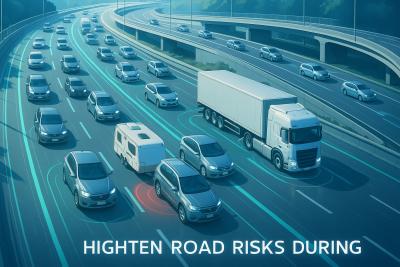
Recent data from the National Truck Accident Research Centre (NTARC) reveals that in 85.7% of fatal crashes involving a car and a heavy vehicle, the truck driver was not at fault. This statistic underscores the critical need for private motorists to exercise caution and understand the operational differences of heavy vehicles. Trucks have larger blind spots and require longer distances to slow down, making patience and awareness essential for all road users.
Fatigue remains a significant risk factor during the holiday period. With families embarking on long-distance journeys, often on unfamiliar or regional roads, the likelihood of fatigue-related incidents increases. Planning journeys with scheduled rest breaks and stopping when tired are vital measures to mitigate this risk. There is no quick fix for fatigue; adequate sleep is the only effective remedy.
The holiday season also sees a substantial increase in parcel deliveries, leading to more heavy vehicles and delivery vans on suburban and regional streets. In the November–December period last year, Australians lodged 103 million shipments, significantly increasing the presence of freight vehicles in residential areas. This uptick necessitates heightened vigilance from all road users to ensure safety.
For truck operators, this period demands a proactive approach to risk management. Ensuring drivers are well-rested, vehicles are properly maintained, and routes are carefully planned can help mitigate potential hazards. Additionally, fostering a culture of safety and patience among all road users can contribute to a safer holiday season for everyone.